NFP
short / long usd?

This week, the market has been fairly slow, naturally taking a breather after a busy spring. As a result, the main price movements are occurring directly during news releases.
Thus, over the summer, we’ve seen two significant rallies. One occurred during the June NFP release, and the second on June 17, during Kevin Warsh’s first meeting.
This Thursday, we’ll once again see the June NFP report. I suggest we dive a little deeper into this topic and make our own predictions.
So,
Risks Associated with the July NFP:
Why Might the Market Overestimate the Strength of the Dollar?
The upcoming U.S. jobs report on July 2 has market participants on edge amid once again inflated expectations. Following a series of very strong data points, the bar for forecasts has been raised (and it simply follows previous data—a common pitfall for public analysts), and the consensus has settled at a fairly high level of 110K. However, it is worth noting that leading indicators and historical patterns suggest that this optimism may run up against a harsh reality.
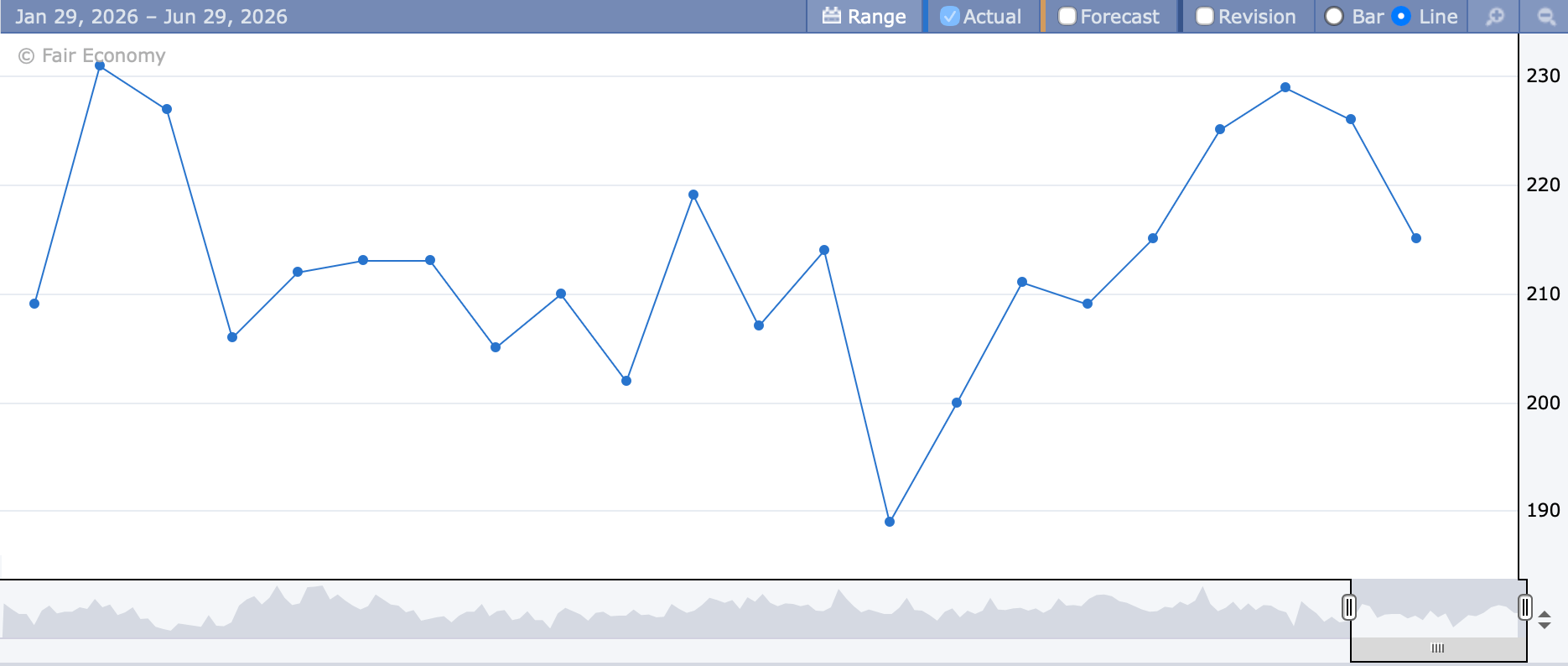
Unemployment Claims & Continuing Claims | Probability for the Unemployment Rate
If we analyze the changes in unemployment insurance claims (Initial Claims and Continuing Claims) for June, we can see that the trend has shifted toward a slowdown.
Regardless of the calculation method—whether based on the reference period (+18K) or the monthly total (+25K)—the net change has shifted to a fairly positive direction. The range is from 0 to +25K.
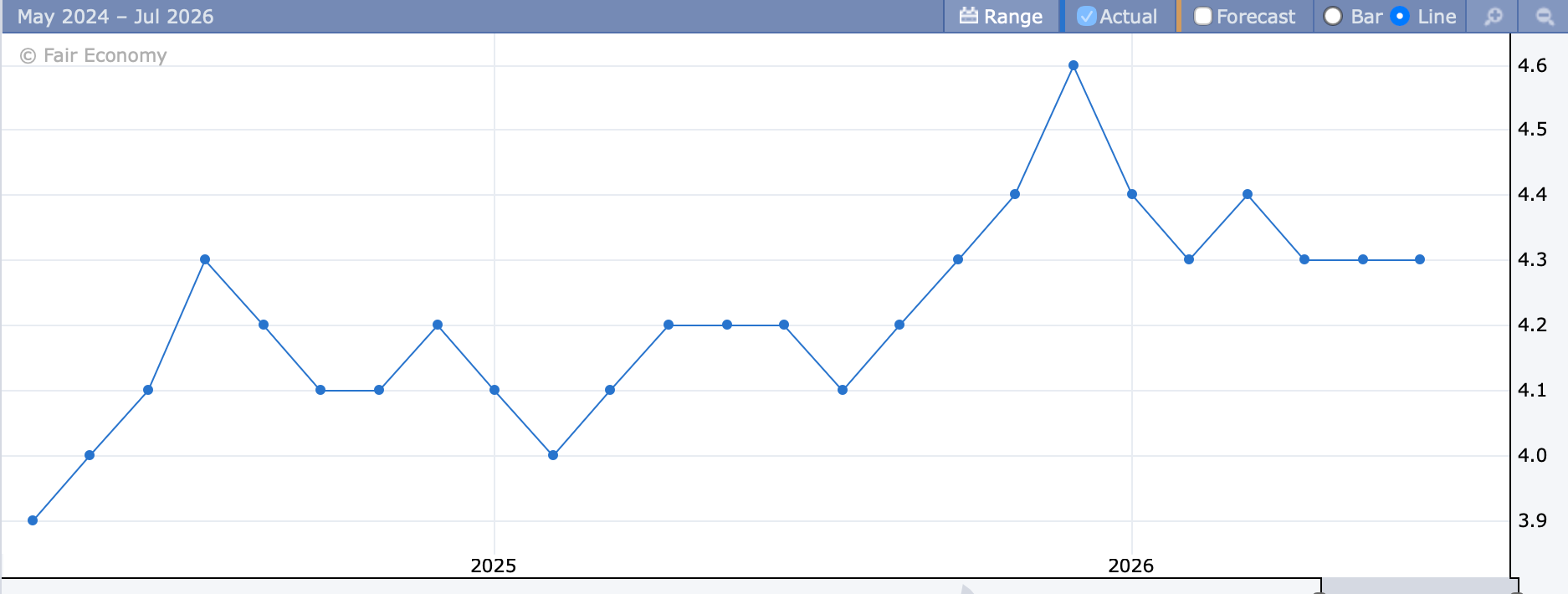
According to historical data and probability statistics, given this pattern of job applications, the outlook for the unemployment rate—which currently stands at 4.3%—is as follows:
• Probability of an increase in unemployment (above 4.3%) — 52%;
• Probability of the unemployment rate remaining at the current level — 30%;
• Probability of the unemployment rate falling (below 4.3%) — 18%.
In other words, the probability that the unemployment rate will remain unchanged or decline is 48%.
Thus, there is an 82% probability that the labor market situation will either remain the same or worsen. The chances of a strong upside appear to be quite minimal.
As for the NFP
Over the past three months, from April through June, the market has consistently underestimated strong NFP data. As a result, analysts have developed a fairly consistent bullish reflex toward the dollar—almost like Pavlov’s dog.
The raised forecast bar to 110K makes the market, in my view, quite vulnerable.
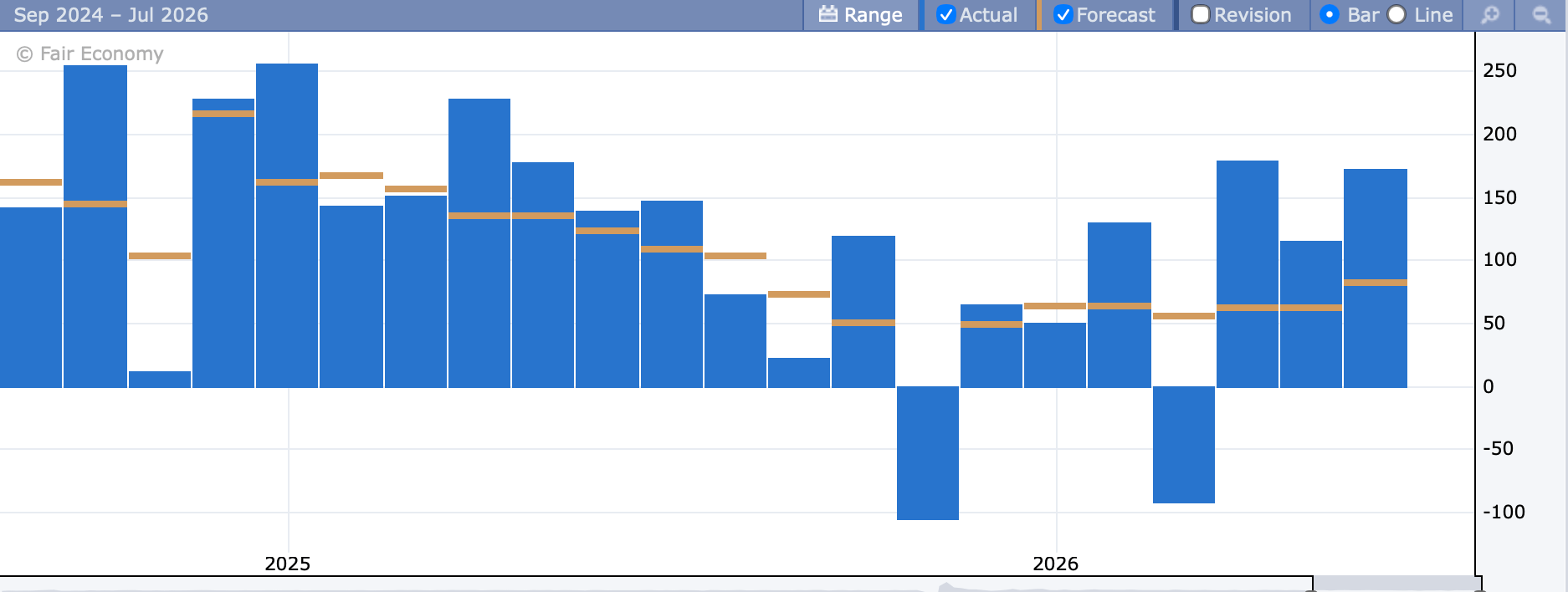
If the cumulative slowdown in claims is confirmed by official figures on Thursday, July 2, we will see a fairly weak NFP reading—below 110K—coupled with a rise in the unemployment rate to 4.4%.
For a market that is currently quite overheated with long positions in the dollar, this could trigger a symmetrical short squeeze, as the fundamental pattern points to a cooling of American exceptionalism.